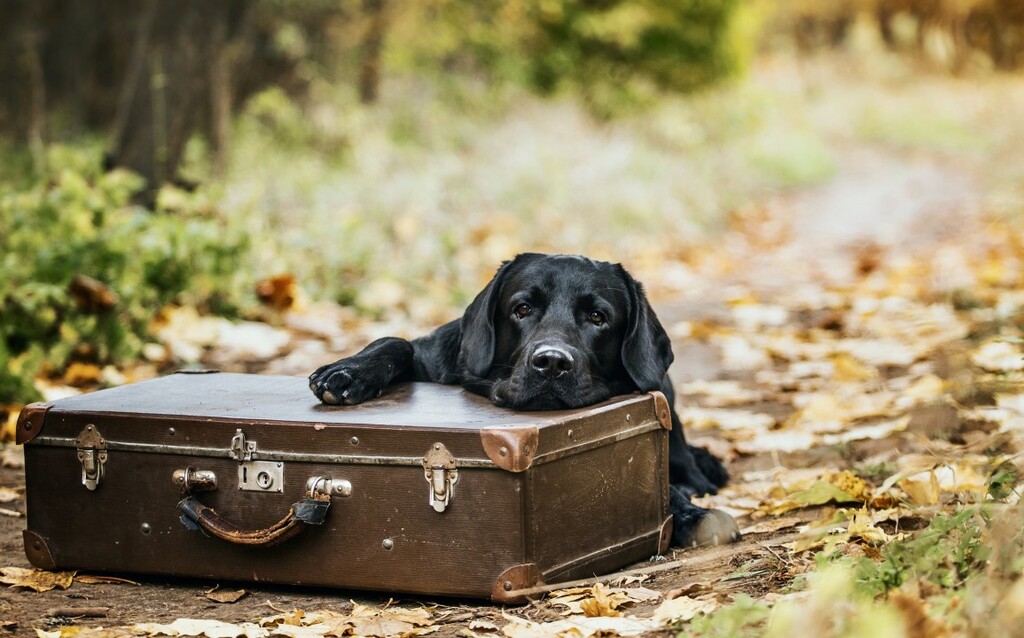
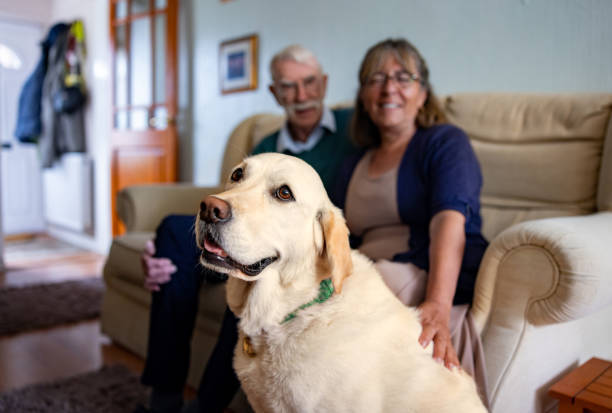
It's a big day when you open your heart to a dog from Labrador Welfare and the door opens for them on the new life they’re about to begin with you. Bringing the new addition to your family home for the first time will be an exciting time for you (and us) but let’s not forget that, for your new dog, this may be a big life change that they might find a little daunting at first.
One of the most stressful things we humans can go through is moving house and it’s no different for the new dog you’ve welcomed into your home. To you it’s all old hat but to them it’s a whole new world – one full of different smells, sights, sounds and unfamiliar people too. If you’re anything like us, there’s a place for everything and everything in its place but to help your new dog settle in what’s now their happy place, we’ve put together some information which we hope you’ll find useful in helping you and your dog start your new lives together in the place you both now call home.
Your first few days at home together are possibly the most important as this is when you’ll start to build your bond with your new dog who’ll need time to place their trust in you. It’s important to take things slowly in the first few days and weeks and taking ‘baby steps’ to make sure your dog feels safe, secure and welcome can go a long way to helping them settle and start to feel right at home.
Don’t put yourself or your new dog under pressure. Each of you will need time to get to know each other so focus your time in the first few days on keeping the pressure off and helping your dog feel comfortable in their new surroundings. It’s perfectly understandable that every man, woman, child and their dog will want to meet your new canine housemate but your dog needs to get to know you and any other resident household members first so try to put visitors off for the first few days at least as this will help to avoid your dog becoming overexcited or perhaps a little overwhelmed.
Each of you will need time to adjust to sharing your living space and while it’s all familiar to you, your dog may welcome a little space where they can take themselves if they need some time to work out what’s where.
In most cases, we’ll have been able to tell you what your dog’s been used to sleeping on (or in) and whereabouts in a previous life and this might be helpful in working out where to create a space for your dog to take themselves for some quiet time alone and undisturbed if they need it when they first come home.
You’ll probably have your own house rules but, until you help them understand, your dog won’t necessarily know what they are. There’s a lot for a new dog to take on board in the early days but don’t forget these days are as much a learning curve for you as you’ll have a lot to learn about your new dog too. Every home has different ‘rules’ and it’s worth remembering your dog may have left a life of comfortable living behind before spending time in our care at kennels and then landing in what to them might feel like paradise having landed a home and a new life with you.
You’ll need to start to gently teach your dog your routines and introduce them to your house rules from Day 1. Even if they’ve never sat on a sofa before coming to live with you, they’ll likely try just to see if it’s allowed. The same goes for begging for food or sleeping on the bed and any number of other things some dogs do but …. it’s not the done thing to chastise or punish a new dog for choosing to do something you’d rather they didn’t. It’s perhaps far better that you limit your dog’s choices so they’re not unwittingly put in a position of being able to make the ‘wrong’ choice simply because they may not know any better.
It’s really important that you and every other resident member of the household helps your dog start to understand what your expectations are from the very beginning while understanding it might be unreasonable to expect too much too soon from a dog that’s brand new to your home.